

Luxapool
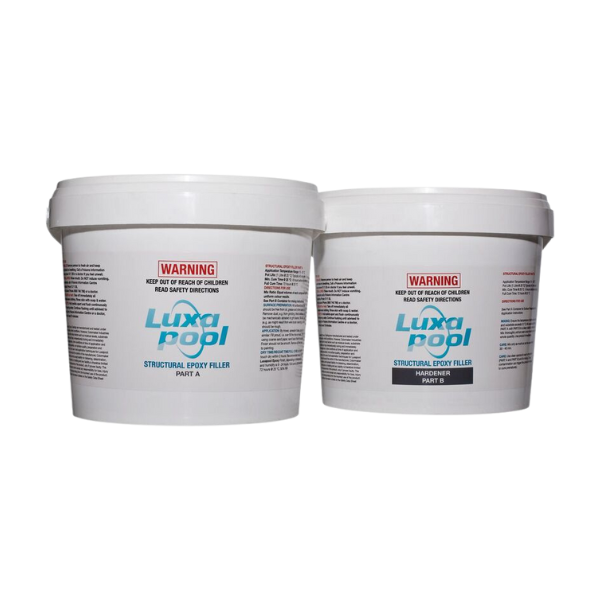
Luxapool® Structural Epoxy Filler (2-Pack)
Is Structural Epoxy Filler right for my repair?
- ✓ Cracks, pits and surface imperfections
- ✓ Concrete pool repairs
- ✓ Fibreglass surface repairs
- ✓ Preparation before Luxapool® Epoxy Pool Paint
- ✓ Suitable for underwater-grade repair areas
Not sure what repair product you need? Contact us before ordering →
Which size should I choose?
600ml – Small cracks, steps and spot repairs
2L – Moderate repair areas or multiple patch jobs
4L – Larger repair areas or more extensive surface preparation
Important Before You Buy
- Designed for concrete and fibreglass pool repairs
- Suitable for cracks, pits and surface imperfections
- Use before Luxapool® Epoxy Pool Paint where repairs are required
- Surface must be clean, dry and free from loose material
- Allow sufficient curing before sanding or coating
- Follow Luxapool technical application instructions before use
Luxapool® Structural Epoxy Filler is a two-pack repair compound designed for filling cracks, pits and surface imperfections in concrete and fibreglass pool surfaces before painting. It creates a smooth, stable repair surface and is compatible with Luxapool® Epoxy Pool Paint systems.
What is Luxapool Structural Epoxy Filler used for?
Luxapool® Structural Epoxy Filler is used to repair and smooth damaged pool surfaces before painting.
It can be used for:
- Filling cracks
- Filling pits and divots
- Repairing rough or uneven areas
- Smoothing concrete surfaces
- Repairing compatible fibreglass surfaces
- Preparing repaired areas before applying Luxapool® Epoxy Pool Paint
What can Structural Epoxy Filler be used on?
- Concrete swimming pools
- Fibreglass pool surfaces
- Cracked or damaged areas before painting
- Steps, edges and spot repairs
- Rough or uneven pool surfaces
- Areas requiring smoothing before epoxy coating
- Compatible pool areas exposed to long-term water contact
Is Structural Epoxy Filler suitable for underwater areas?
Yes. Luxapool® Structural Epoxy Filler is designed as an underwater-grade repair compound for pool and water-feature applications.
The repaired surface must still be correctly prepared, cured and finished before the pool is returned to service.
Can I paint over Structural Epoxy Filler?
Yes. Once properly cured and prepared, Luxapool® Structural Epoxy Filler can be sanded smooth and coated with a compatible Luxapool® Epoxy Pool Paint system.
Use before Luxapool® Epoxy Pool Paint where cracks, pits or surface imperfections require repair.
How do I apply Structural Epoxy Filler?
Apply the mixed Structural Epoxy Filler using a trowel or spatula and blend it smoothly into the repair area.
Before application:
- Make sure the surface is clean and dry
- Remove loose or unstable material
- Prepare the repair area correctly
- Allow sufficient cure time before sanding
- Sand the cured repair smooth before coating where required
Follow the Luxapool technical datasheet for final mixing, curing and application instructions.
Key Features
- Two-pack structural epoxy repair compound
- Suitable for concrete and fibreglass pools
- Designed for underwater-grade repairs
- Fills cracks, pits and surface imperfections
- Can be sanded smooth after curing
- Creates a stable base before epoxy painting
- Compatible with Luxapool® Epoxy Pool Paint systems
Available Sizes
600ml Kit
Best for small cracks, steps and spot repairs.
2L Kit
Best for moderate repair areas or several patch repairs.
4L Kit
Best for larger repair areas or more extensive surface preparation.
Each kit contains Part A Resin and Part B Hardener.
Frequently Asked Questions
What is Luxapool Structural Epoxy Filler used for?
Can I use Structural Epoxy Filler on a concrete pool?
Can I use it on fibreglass?
Can I paint over Structural Epoxy Filler?
Is Structural Epoxy Filler suitable for underwater areas?
Which size should I choose?
Does the kit include both parts?
Do I need Structural Epoxy Filler before using Epoxy Pool Paint?
Share
- 5 stars: 0 (0%)
- 4 stars: 0 (0%)
- 3 stars: 1 (100%)
- 2 stars: 0 (0%)
- 1 star: 0 (0%)
When I opened the white mix(part A), I found that it had dried out or skinned off on the surface so when you mixed it with the hardener and moved the mix over the hollow, these small pieces of dry part A dragged through the mix leaving troughs across the surface which require a second application. Unfortunately the same scrape marks or troughs occurred on the second application as well which made it almost impossible to get a smooth surface after sanding. Very frustrating! Does the white mix always do this or did I just get old stock???